


November 18, 2026
Leasehold reform: what the 2027 service charge changes mean for managing agents

The service charge reforms in the Leasehold and Freehold Reform Act 2024 are due to start in England from April 2027. The Government made the commencement regulations on 25 October 2026, and the new duties on landlords will be phased in across three dates: 1 April 2027, 1 November 2027 and 1 November 2028.
For managing agents, the changes affect how service charge information is recorded, explained and shared with leaseholders. The detailed regulations were laid in Parliament on 12 November and remain subject to Parliamentary approval, so some points of detail may still be refined. The direction is clear, and the dates give agents and landlords time to prepare.
This article sets out what each stage brings, what it means in practice and how property teams can use the time before each date.
1 April 2027: information, notices and legal costs
The first stage introduces three changes that affect how agents respond to leaseholders.
A new right to request information. Leaseholders will be able to request a prescribed list of service charge and management information, including certain records going back up to six years. The full scope will be set out in regulations. Invoices, contracts and safety documents from earlier years will need to be easy to find and provide.
Future demand notices. A prescribed future demand notice replaces the current section 20B notice. It tells a leaseholder that a cost has been incurred and may be demanded later, after the standard 18 month limit. The expected demand date becomes a firm deadline, so costs can be lost if the date passes and no revised notice has been served in time.
Legal costs. For proceedings issued on or after 1 April 2027, a landlord's legal costs generally cannot be recovered through the service charge or as an administration charge unless a court or tribunal orders it. That makes dispute prevention a practical priority, and clear, early communication with residents is one of the most direct ways to support it.
Fixed service charges also come within the statutory regime from this date, so the new rules on information and reporting apply to them as each stage begins.
1 November 2027: standard formats, annual reports and fees
The second stage carries the most operational impact for managing agents, because it changes the documents that agents issue every year.
Prescribed demands, accounts and annual reports. For private landlords, service charge demands, accounts and annual reports move to standard formats. Where costs are shared between four or more homes, TPI notes that landlords must provide an annual statement of account, with a qualified accountant's report, within six months of the end of each accounting period. The annual report gives leaseholders information about the condition of the building and planned major works. A demand that does not use the prescribed form can affect the lease terms on non-payment and late payment for that charge, so templates and systems will need to be ready before the date.
Administration charges. All landlords must publish a schedule of administration charges. TPI advises preparing the schedule before 1 November 2027.
Insurance. All landlords must give leaseholders insurance information, and insurance commissions and similar excluded insurance costs can no longer be recovered through the service charge. Placement, commission and broker arrangements are worth reviewing well ahead of the date.
For agents, this stage turns existing good practice into a standard. Reports, accounts and demands follow set formats, and leaseholders gain a consistent view of what they are paying for and why.
1 November 2028: social landlords, and the common thread
The rules on prescribed demands, accounts and annual reports extend to social landlords on 1 November 2028. The administration charge and insurance rules apply to all landlords from November 2027.
Across the three stages the direction is the same. Leaseholders will be able to see more, ask more and challenge more. That raises the value of records that are complete and easy to retrieve, and of residents who hear about works and costs before a bill arrives. Agents who already keep residents informed are likely to feel the least disruption.
Preparing before each date
There is time before the first stage, and four areas stand out for property teams.
Records. TPI suggests checking that service charge, invoice and insurance records from previous years are complete and easy to find. Records reaching back six years are where gaps are most likely to appear, so an early review gives teams room to fill them.
Cost tracking. A clear view of costs that have been incurred but not yet billed supports timely future demand notices ahead of the 18 month limit. A shared list, reviewed on a regular schedule, keeps those costs visible.
Templates and systems. Demand, account, annual report and administration charge templates need to be ready for 1 November 2027. Adding the reporting dates to the team calendar early spreads the workload across the year.
Resident communication. Updates about planned works, expected costs and building information reach more people when they appear where residents already look. Reports and key documents also benefit from a clear route to residents, whether by email, post or a notice in the building. Early information gives residents context before a demand arrives, and supports a calmer conversation if questions follow.
Each of these steps is useful on its own, and together they put a property team in a strong position when the first date arrives.
Where 30Seconds Group fits
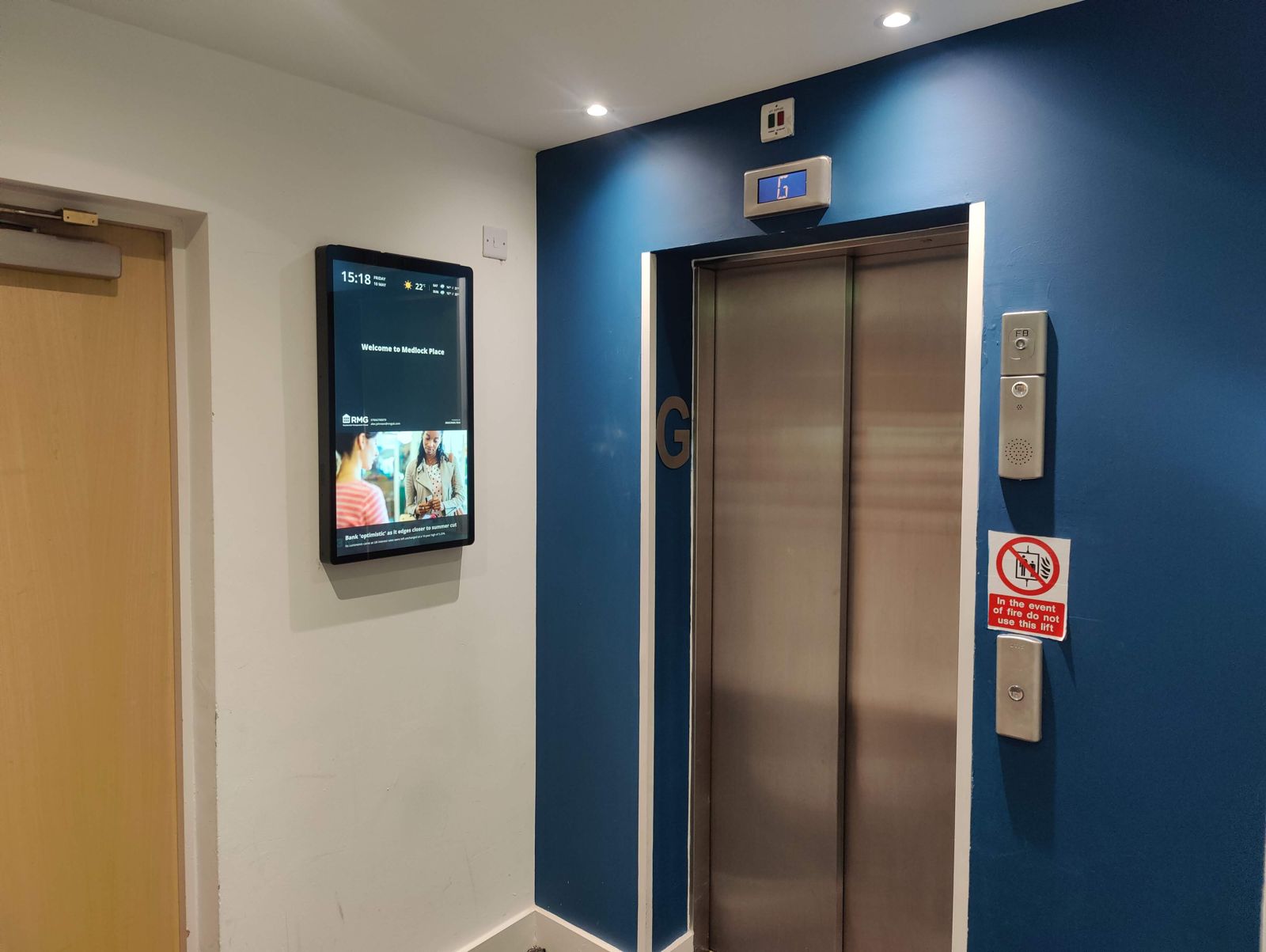
30Seconds Group provides digital noticeboards for the lift foyers and entrance lobbies of residential buildings. Residents pass them every day, which makes them a natural place for building notices, works updates and cost information.
Property teams manage content across their buildings from one place, and can schedule notices ahead of planned works, inspections or key dates. Every notice is recorded and stored, giving teams a clear record of what was communicated and when. QR codes on notices give residents a simple way to respond or send feedback.
We help with one specific part of the picture: keeping residents informed early, in the place they already look. Statutory notices must still be served as the legislation requires, and the noticeboards sit alongside that process.
To see how our digital noticeboards could work across your buildings, contact hello@30secondsgroup.com.
More from our blog



CW12 4TR, United Kingdom

letschat@peppermintsoda.co.uk.